
Refactored UI components at global scale

Helping a global business reduce UI inconsistency and make local websites easier to maintain.

Client

Fortune Global 500

scroll

HOVER FOR A LANGUAGE STRESS TEST

Refactored UI components at global scale

Helping a global business reduce UI inconsistency and make local websites easier to maintain.

Client

Fortune Global 500

scroll

HOVER FOR A LANGUAGE STRESS TEST

Refactored UI components at global scale

Helping a global business reduce UI inconsistency and make local websites easier to maintain.

Client

Fortune Global 500

scroll

HOVER FOR A LANGUAGE STRESS TEST

OVERVIEW

From similar patterns behaving differently across a global product to 6 reusable components with documented logic — through audit, merge, localization checks, and development specifications.

From similar patterns behaving differently across a global product to 6 reusable components with documented logic — through audit, merge, localization checks, and development specifications.

From similar patterns behaving differently across a global product to 6 reusable components with documented logic — through audit, merge, localization checks, and development specifications.

Industry

Energy & automation

Software & Hi-Tech, Digital Workplace

Team

30+

Focus

UI refactoring, component logic, specifications, localization checks

Duration

3 months

This case is not about pretty screens. It is about the work behind them: interface consistency.

CONTEXT

The product had been evolving for many years and was maintained by different teams across regions.

At this scale, even small UI differences became hard to manage. Similar patterns could look and behave differently across thousands of pages, local versions, languages, and screen resolutions.

CHALLENGE

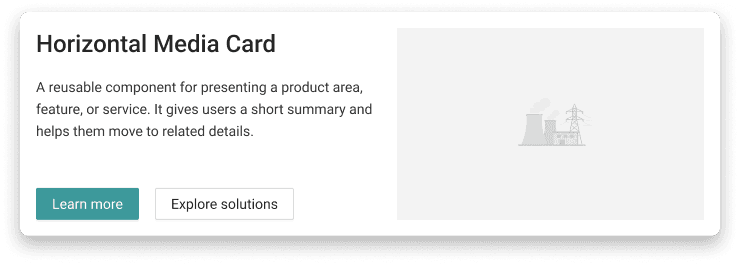
The challenge was to bring consistency without starting from scratch. We needed to understand which patterns could be unified, merge similar interface elements into reusable components, and document the logic clearly.

The challenge was to bring consistency without starting from scratch. We needed to understand which patterns could be unified, merge similar interface elements into reusable components, and document the logic clearly.

The challenge was to bring consistency without starting from scratch. We needed to understand which patterns could be unified, merge similar interface elements into reusable components, and document the logic clearly.

spec

spec

spec

spec

spec

spec

Hover to see what I fought

spec

AND WON

WHAT I DID

I worked within an existing design system foundation: typography, colors, basic styles, and atomic elements were already defined by a dedicated design system team.

My work focused on more complex UI components. I analyzed existing examples, expanded the reference set where needed, and compared how similar patterns were used across different pages and product areas.

For each component, I helped define the unified version: what should stay flexible, what should be fixed, and how the component should behave in different states, layouts, and screen resolutions.

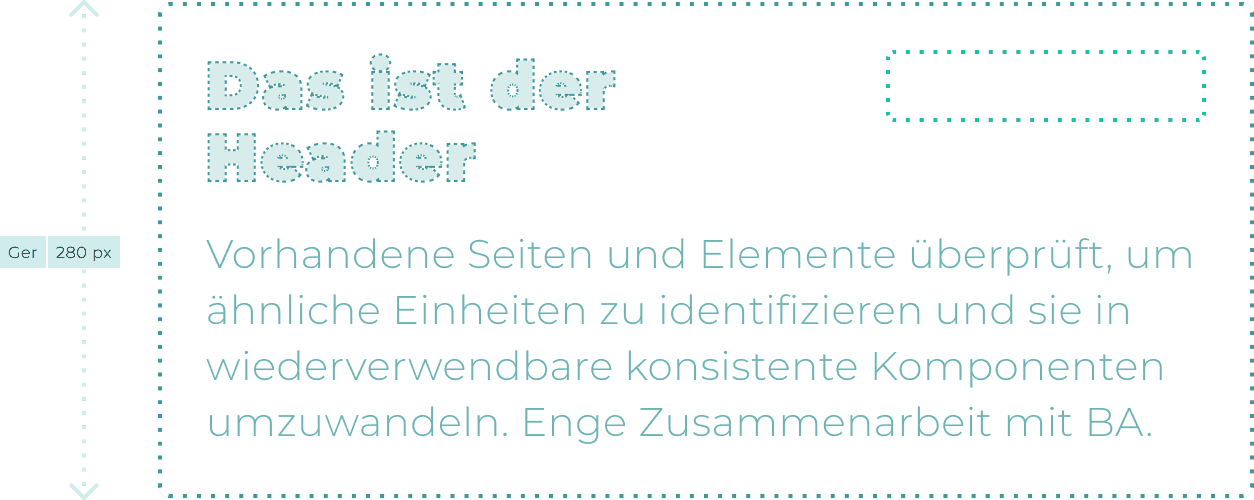
Localization was part of the review. I checked how components handled longer labels and different languages, including cases where German text could affect spacing, wrapping, and layout behavior.

The final output was a detailed specification for development, aligned with business stakeholders and prepared for implementation.

OUTCOME

01 /

6

6

Reusable UI components specified for development.

02 /

LOGIC

LOGIC

Structure, states, constraints, and behavior documented.

03 /

CHECKS

CHECKS

Languages, long labels, layouts, and screen resolutions reviewed.

04 /

HANDOFF

HANDOFF

Specifications aligned with business and development teams.